
June in the Cape: The Start of Whale & Truffle Season

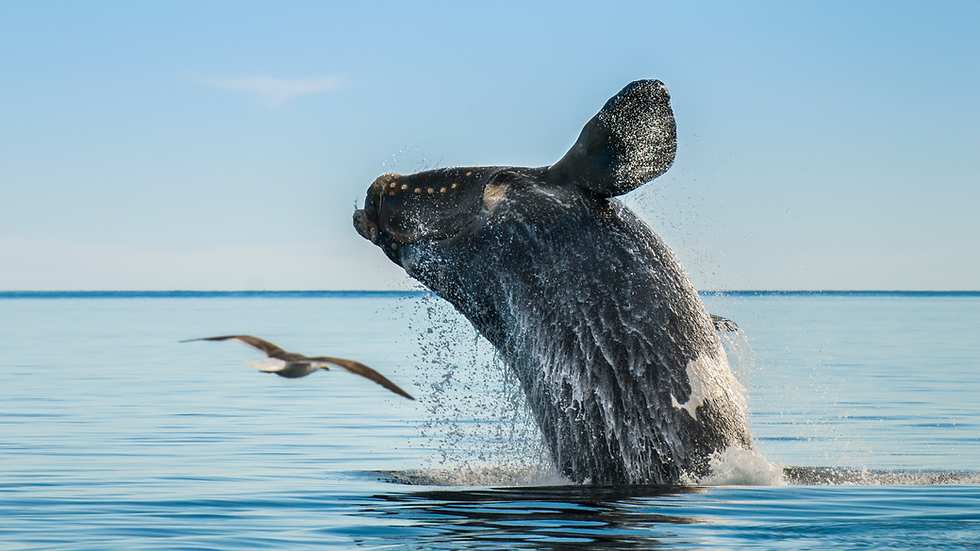
While it’s the time of year when the Northern Hemisphere reaches for linen and sunhats, a different kind of exploration settles over the Western Cape of South Africa in June. As the air turns crisp and the morning mist clings to the rolling vineyards of Franschhoek, two of the world’s most elusive natural wonders arrive in tandem. June marks the official start of the Southern Right Whale migration and the peak of the Black Perigord Truffle harvest, creating a travel window that is as rare as it is rewarding.
For the traveler who appreciates the “quiet season,” this is South Africa at its most refined. It is a time defined by roaring fireplaces, world-class red wines, and the raw, magnificent beauty of the Atlantic and Indian Oceans.
The Giants of Walker Bay
In June, the first of the Southern Right Whales begin their 3,000-mile journey from the Antarctic to the sheltered, emerald waters of Hermanus and Walker Bay. Known as the world’s best land-based whale-watching destination, this stretch of coastline offers a front-row seat to one of nature’s most intimate displays.
From the cliff paths of Hermanus, guests can hear the “whoosh” of blowholes and witness 40-ton giants breaching just meters from the shore. The experience is best savored from a private balcony at a coastal sanctuary, The Marine, or the eco-paradise of Grootbos Private Nature Reserve. Here, whale-watching isn’t a scheduled excursion; it is the backdrop to your morning coffee. For those seeking a deeper connection to nature, private boat charters or marine-biologist-led safaris allow for silent, respectful encounters with these curious mammals as they begin their mating and calving season.
Hunting for “Black Gold” in the Winelands
Just an hour’s drive inland, the historic valley of Franschhoek enters its most aromatic season. June is when the rare Black Perigord Truffle—often called “black gold”—reaches maturity beneath the roots of oak and hazelnut trees.
This is a season of discovery. At estates like Delaire Graff or specialized truffières, guests can join expert handlers and their trained Lagotto Romagnolo dogs for a morning truffle hunt. The thrill of the find is matched only by the subsequent “Truffle Lunch”—a multi-course culinary event where the day’s harvest is shared over handmade pastas and local cheeses, perfectly paired with the region’s robust Cabernet Sauvignons or aged Syrahs. It is a celebration of the earth’s hidden bounty, served in the heart of the culinary capital of Africa.
The “Winter” Advantage
Choosing the Cape in June is a strategic move for the world traveler. The summer crowds have vanished, leaving the boutiques of Cape Town and the tasting rooms of the Winelands quiet and accessible. The light in the Western Cape during June is a photographer’s dream—low, golden, and dramatic—turning every drive along Chapman’s Pear of through Hemelen-Aarde Valley into a cinematic experience.
Furthermore, June serves as a perfect bridge to a wider South African itinerary. After a few days of whales and wine, the quick flight north to Sabi Sands or the Kruger National Park places you in the middle of the “Dry Season” safari. With thinner vegetation and animals congregating around permanent water holes, game viewing is at its absolute peak, offering a seamless transition from the wonders of the ocean to the icons of the bush.
Ultimately, June in the Cape is for those who find luxury in the understated. It is a season that invites a slower pace, where the thrill of a whale’s breach is matched by the quiet satisfaction of a morning spent in the orchards. By choosing this window, you can move beyond the traditional tourist track to experience the Western Cape at its most authentic and bountiful. It is a reminder that the best of South Africa isn’t just found under the summer sun, but in the deep resonant connection between the land, the sea, and the season.


Comments